


Diabetes and metabolic care in Nagpur
Type 1, type 2 and pregnancy diabetes, prediabetes, thyroid and blood pressure care with Dr. Ajay Kaduskar in Dhantoli, Nagpur.
Medically reviewed by Dr. Ajay V. Kaduskar · Last reviewed 24 October 2026
Diabetes is now one of the most common long-term conditions in India. The national ICMR-INDIAB study estimated that about 101 million Indians were living with diabetes in 2021, and another 136 million had prediabetes. Many people with type 2 diabetes have no symptoms for years, which is why diagnosis is often late and complications are sometimes the first sign.
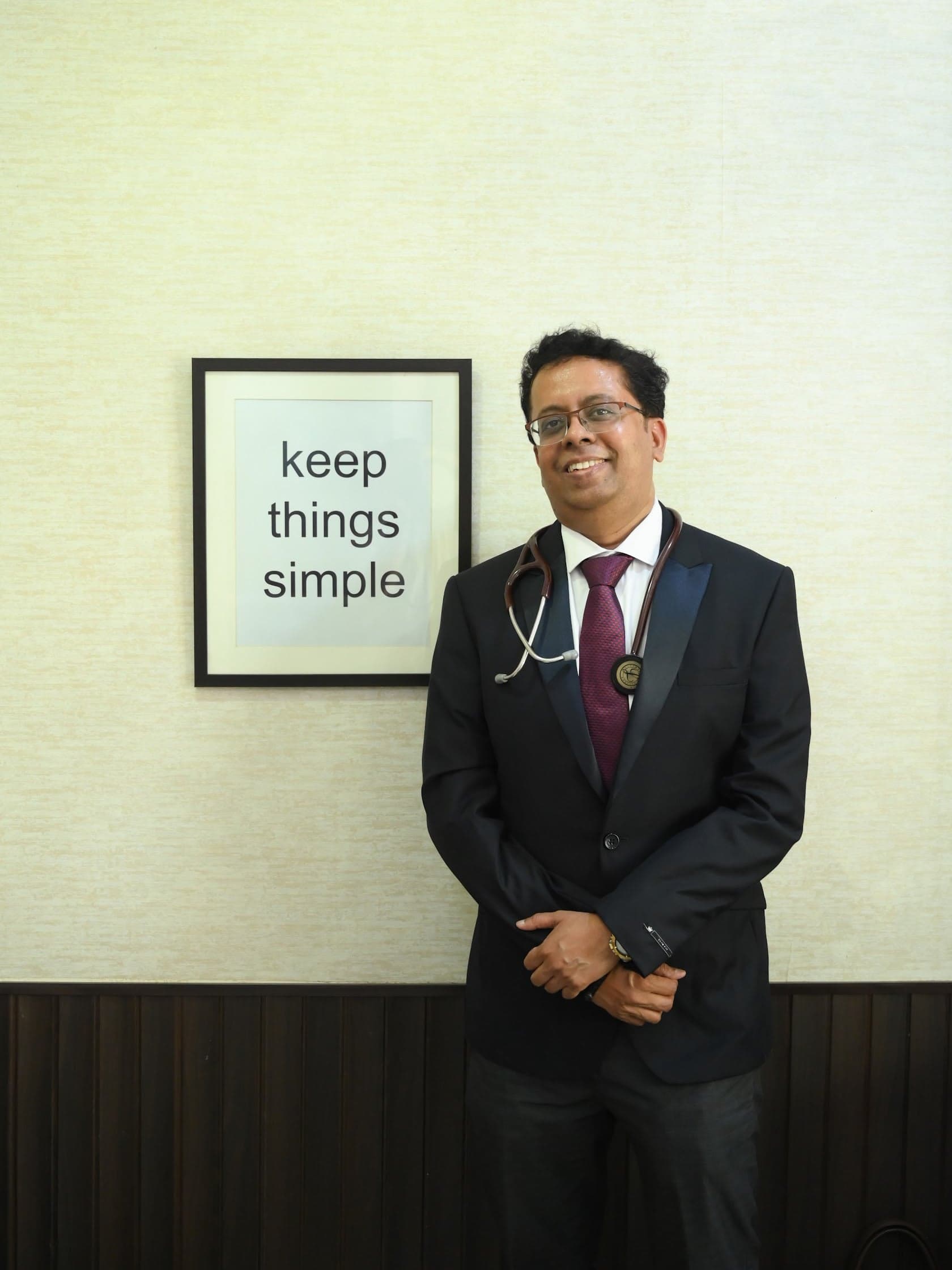
At the Niramay Diabetes and Heart Care Centre, Dr. Ajay V. Kaduskar and the clinic team look after people with diabetes for the long term. The aim is simple: keep blood sugar, blood pressure, cholesterol and weight in a healthy range, and catch any complication early, while keeping treatment practical for daily life.
Conditions we care for
- Type 2 diabetes, newly diagnosed or long-standing
- Type 1 diabetes, in teenagers and adults
- Diabetes in pregnancy, including gestational diabetes
- Prediabetes, when sugar levels are above normal but not yet in the diabetes range
- Thyroid disorders, which are common in people with diabetes
- High blood pressure and high cholesterol, which add to heart and kidney risk
- Obesity and fatty liver, which often travel with diabetes
What your care includes
- A detailed first consultation: history, examination, review of all reports and medicines.
- Baseline tests in our laboratory: HbA1c, fasting and post-meal sugar, kidney function, urine albumin, cholesterol, liver and thyroid tests as needed.
- Complication screening: retinal photography for the eyes, foot examination, kidney tests, and ECG or Echo where indicated.
- A written plan: your targets, medicines, diet and activity, and when to test at home.
- Nutrition counselling with our nutritionist, based on your usual meals.
- Regular review: usually every 3 months while sugar is being brought under control, and as advised after that.
When to get tested
Get your blood sugar checked if you have any of the following:
- Age above 30, especially with a family history of diabetes
- Waist above 90 cm (men) or 80 cm (women)
- Little physical activity, or a desk job
- High blood pressure or high cholesterol
- Diabetes in a previous pregnancy, or PCOS
- Symptoms such as frequent urination, unusual thirst, tiredness, blurred vision, slow-healing wounds or repeated infections
Explore
Type 2 diabetes · Type 1 diabetes · Diabetes in pregnancy · Complications screening · Complete Diabetes Care Programme · Prediabetes and risk assessment · Thyroid clinic · Hypertension clinic · Nutrition and lifestyle counselling
From our Health Library: 10 common myths about diabetes, and the facts
When to see a doctor
See a doctor if you notice increased thirst, frequent urination, unexplained weight loss, constant tiredness, blurred vision, slow-healing cuts, or tingling in the feet. If your blood sugar is very high or very low with confusion, drowsiness or vomiting, treat it as urgent and seek immediate care.
Frequently asked questions
For most adults without diabetes, fasting blood sugar is below 100 mg/dL and HbA1c is below 5.7%. Diabetes is usually diagnosed when fasting sugar is 126 mg/dL or higher, a 2-hour glucose tolerance test reading is 200 mg/dL or higher, or HbA1c is 6.5% or higher, confirmed on repeat testing. Your doctor will interpret results in context.
HbA1c reflects your average blood sugar over roughly the past three months. It does not need fasting. It is one of the most useful numbers for tracking diabetes control.
Type 1 diabetes cannot be cured at present and always needs insulin. Some people with type 2 diabetes, particularly early in the condition, can bring their sugar back into the normal range without medicines after significant weight loss. Doctors call this remission, not cure, because sugar can rise again, so regular checks continue for life. Whether remission is a realistic goal for you is something to discuss at your consultation.
Please do not stop or reduce medicines on your own. Normal readings usually mean the treatment is working. Any change should be made by your doctor after reviewing your results.
Uncontrolled diabetes is a leading cause of kidney damage. Medicines prescribed for diabetes are chosen with your kidney function in mind, and several protect the kidneys and heart. Your kidney tests are checked regularly so treatment can be adjusted.
Dr. Ajay treats diabetes at any age. Children and teenagers are often seen together with Dr. Prajakta, so growth, school and emotional needs are covered too.
Sources and further reading
- ICMR–INDIAB study: metabolic non-communicable disease health report of India (The Lancet Diabetes & Endocrinology, 2023)
- Diabetes — WHO fact sheet

Services in this centre
Type 2 diabetesDiagnosis, medicines, food and monitoring.Type 1 diabetesInsulin plans, devices and daily support. Diabetes in pregnancySafe sugar control before and during pregnancy.
 Complications screeningYearly eye, kidney, foot and heart checks.Diabetes care programmeA structured yearly plan for diabetes care.
 Prediabetes checkFind your risk early and act on it.
From our Health Library
Ready to talk to a specialist?
Call 0712 2422214 or +91 84591 41584, message us on WhatsApp, or use the appointment form. Please bring your previous reports and a list of the medicines you take.