

Diabetes complications screening
Yearly diabetes complication checks under one roof in Nagpur: retinal photography, kidney tests, foot and nerve checks, ECG.
Medically reviewed by Dr. Ajay V. Kaduskar · Last reviewed 24 October 2026
High blood sugar over years can quietly affect the small blood vessels of the eyes, kidneys and nerves, and the large blood vessels of the heart, brain and legs. Early damage usually causes no symptoms. Found early, much of it can be slowed or treated. Found late, it can lead to vision loss, kidney failure, foot ulcers or heart attack.
Screening is a central part of diabetes care at Niramay Clinics, and most of it can be completed in one visit at the clinic.
What we check, and why
| Area | Test | What it looks for | How often (typical) |
|---|---|---|---|
| Eyes | Retinal photograph with a fundus camera | Diabetic retinopathy: changes in the blood vessels at the back of the eye | Every year, more often if changes are found |
| Kidneys | Urine albumin to creatinine ratio, blood creatinine with eGFR | Early protein leak and reduced kidney filtering | Every year |
| Feet | Foot examination: skin, pulses, sensation tests | Nerve damage (neuropathy), poor circulation, pressure points | Every year, every visit if high risk |
| Heart | Blood pressure, cholesterol, ECG; Echo or TMT if indicated | Heart strain, silent heart disease, risk factors | BP every visit, cholesterol yearly, ECG as advised |
| Liver | Liver tests and fatty liver assessment | Fatty liver disease | As advised |
About the eye screening
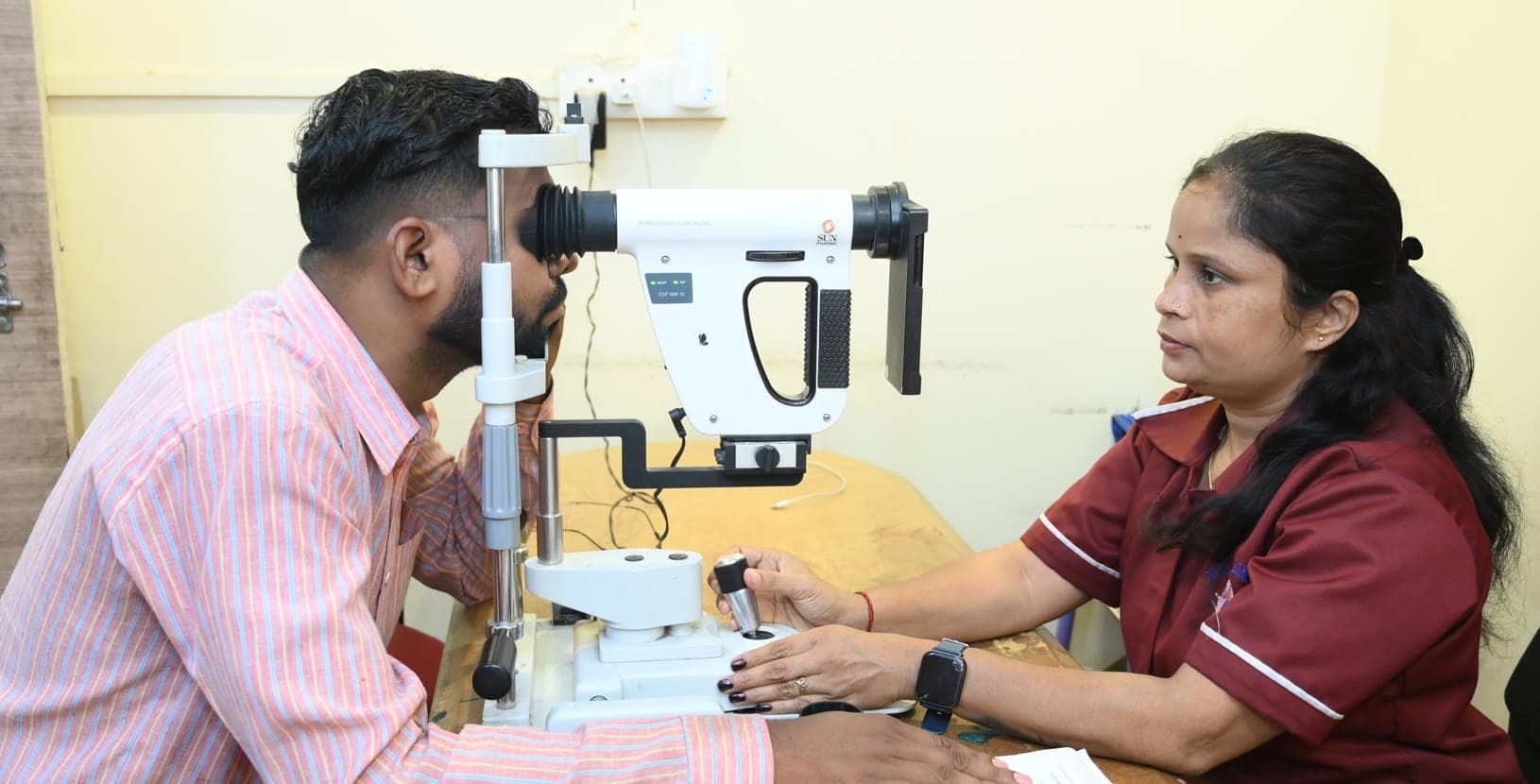
We photograph the back of your eye with a modern retinal camera. Most of the time no eye drops are needed. If a clearer view is needed, we use drops to widen the pupil, and your vision may be blurry for a few hours, so it is best not to drive yourself home that day. The photos are reviewed at the clinic, and if we see any changes we guide you to an eye specialist. Screening does not replace a full eye examination by an ophthalmologist when that is needed.
Looking after your feet at home
- Look at your feet every day, including between the toes. Use a mirror or ask a family member.
- Wash and dry carefully, especially between toes.
- Never walk barefoot, even at home or at a temple.
- Wear well-fitting footwear with closed heels.
- Do not cut corns or use corn plasters. Show them to us.
- Seek care the same day for any wound, blister, redness, swelling or colour change.
When to get screened sooner
Do not wait for the yearly check if you notice any change in vision, numbness or burning in your feet, a foot wound that is healing slowly, swelling on your face or feet, foamy urine, or chest discomfort on exertion. Tell your doctor at the next visit or call the clinic.
When to see a doctor
Do not wait for your yearly screen if you notice new blurring or loss of vision, foot numbness, a non-healing foot wound, burning or tingling in the feet, swelling, or foam in the urine. These can be early signs of nerve, eye or kidney involvement and deserve a prompt review.
Frequently asked questions
Yes. Diabetic eye damage often causes no change in vision until it is advanced. A yearly retinal photograph is the only way to know.
Routine urine tests miss small amounts of protein. The urine albumin to creatinine ratio (UACR) is a more sensitive test and is part of yearly screening.
People with diabetes can have heart disease without typical chest pain. Checking blood pressure, cholesterol and ECG regularly, and doing an Echo or treadmill test when indicated, helps find problems earlier.
For most people with diabetes, once a year covers eyes, kidneys, feet and heart. Some findings need more frequent checks, and your doctor will tell you the interval after reviewing results.
From our Health Library
Related services

Ready to talk to a specialist?
Call 0712 2422214 or +91 84591 41584, message us on WhatsApp, or use the appointment form. Please bring your previous reports and a list of the medicines you take.