
Type 2 Diabetes
Can Type 2 Diabetes Be Reversed or Put Into Remission?
Written by Dr. Ajay V. Kaduskar, Diabetologist, Nagpur

MD (Medicine), PGDHSc (Diabetology), FEACD (The Netherlands)
Published · 4 min read
Quick answer
Type 2 diabetes remission is commonly defined as HbA1c below 6.5 percent for at least three months after stopping glucose-lowering medicines. It is most likely with significant weight loss, especially soon after diagnosis, through structured diet changes, physical activity, medicines that aid weight loss or metabolic surgery. Diabetes can return, so monitoring and healthy habits must continue.
Many people with type 2 diabetes ask whether their diabetes can be reversed. Doctors prefer the term remission, which means blood sugar returns to the non-diabetic range without diabetes medicines for a sustained period. Remission is possible for some people, but it is not the same as a permanent cure.
What does remission mean?
Remission means your blood sugar is in a healthy range without medicines. The underlying tendency to diabetes remains, so blood sugar can rise again if weight is regained or other risk factors return. Regular check-ups, including HbA1c, eye, kidney and foot checks, should continue.
Who is more likely to achieve remission?
-
People diagnosed recently, often within the first few years
-
Those who lose a significant amount of weight
-
People who are not yet on insulin or many medicines
-
Those with good remaining insulin production
Remission is less likely after many years of diabetes, but improving control still brings major health benefits.
How can remission be achieved?
Weight loss
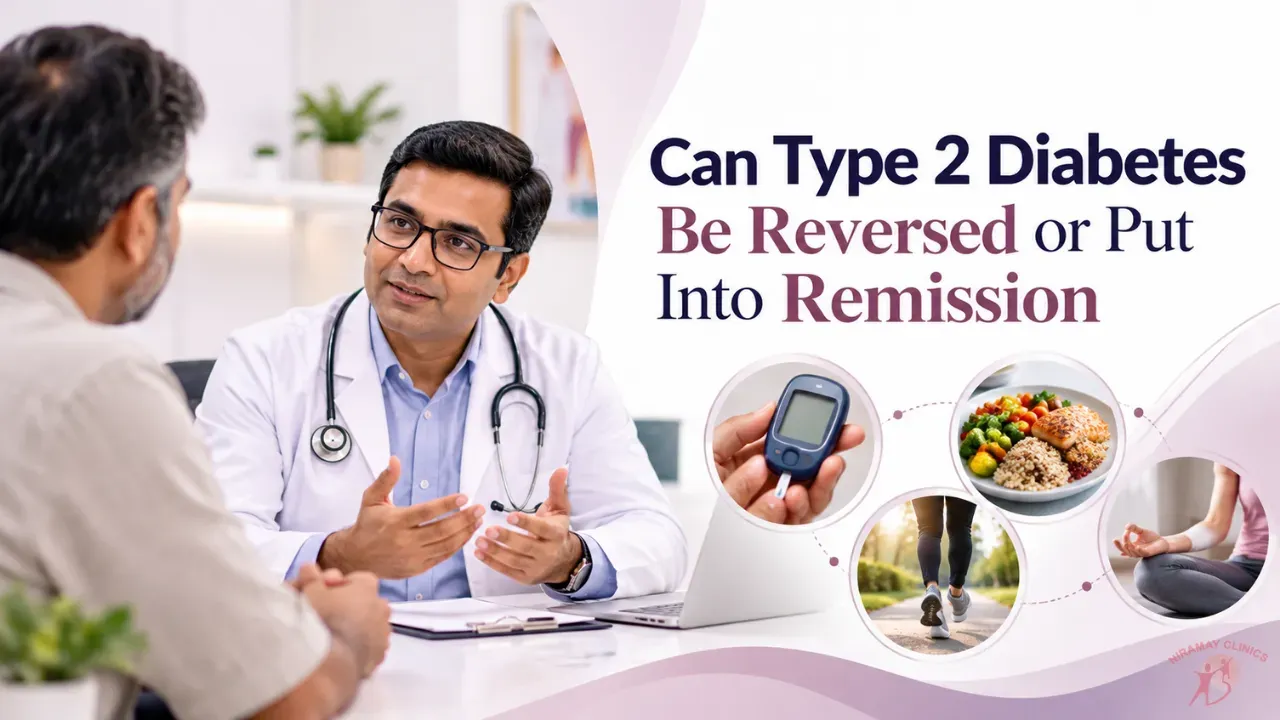
Losing excess weight, particularly fat around the liver and pancreas, can improve insulin function. Many studies show that greater weight loss increases the chance of remission.
Structured eating plans
Doctor-supervised plans, including low-calorie programmes, reduced refined carbohydrates and balanced Indian meals, can support weight loss. Crash diets without supervision are not advised.
Physical activity
Regular aerobic and strength exercise improves insulin sensitivity and supports weight maintenance.
Medicines that support weight loss
Some medicines, such as GLP-1-based therapies, can aid weight loss and sugar control under medical supervision.
Metabolic surgery
For selected people with obesity, bariatric or metabolic surgery can lead to remission in many cases.
Is it safe to stop diabetes medicines?
Never stop medicines on your own. Your doctor will reduce or stop them gradually as blood sugar improves, while monitoring to avoid both high and low sugar.
What happens if diabetes returns?
If weight is regained or sugar rises again, medicines may need to restart. This is not a failure. It reflects the nature of the condition. Continuing healthy habits lowers the risk.
What if remission is not possible?
Even without remission, losing weight, eating well, staying active and taking the right medicines can greatly reduce the risk of heart, kidney, eye and nerve complications.
In short
-
Remission means healthy sugar levels without medicines.
-
It is most likely with significant weight loss soon after diagnosis.
-
Diet, exercise, medicines and surgery can help.
-
Never stop medicines without medical guidance.
-
Monitoring continues because diabetes can return.
Remission is a realistic goal for some people with type 2 diabetes and a strong motivator for healthy change. A diabetologist can create a safe, personalised plan and adjust medicines as you improve. Dr. Ajay V. Kaduskar at Niramay Clinics in Nagpur supports patients aiming for better control and remission.
When to seek urgent care
Seek urgent care for extreme thirst with vomiting, confusion, deep rapid breathing, unusual drowsiness, or signs of very low sugar such as sweating, shaking and confusion.
Sources and further reading
Frequently asked questions
Type 2 diabetes is not usually considered curable, but it can go into remission, meaning blood sugar stays normal without medicines. The tendency remains, so diabetes can return if weight is regained.
Remission is commonly defined as HbA1c below 6.5 percent for at least three months after stopping glucose-lowering medicines. Your doctor confirms remission with tests.
Greater weight loss increases the chance of remission, and losing a meaningful percentage of body weight early after diagnosis gives the best chance. Your doctor can set a safe, realistic target.
Do not stop medicines on your own. Your doctor will reduce or stop them gradually while monitoring sugar levels to avoid problems.
No. You still need regular HbA1c tests and checks for eyes, kidneys, feet and heart, because diabetes can return and some complications may already be present.
Related reading
- Full guide: type 2 diabetes
- First Signs of Type 2 Diabetes You Should Not Ignore
- Can Prediabetes Go Away? How to Lower Your Risk
- How to Control Blood Sugar Naturally: What Works and What Does Not
- How Often Should You Check Blood Sugar and HbA1c?
- When Should You See a Diabetologist?
If you would like advice suited to your own reports and medicines, you can book an appointment or visit Niramay Clinics in Dhantoli, Nagpur.
Related services


More from the Health Library
Ready to talk to a specialist?
Call 0712 2422214 or +91 84591 41584, message us on WhatsApp, or use the appointment form. Please bring your previous reports and a list of the medicines you take.