
Metabolic Syndrome and Cardiometabolic Health
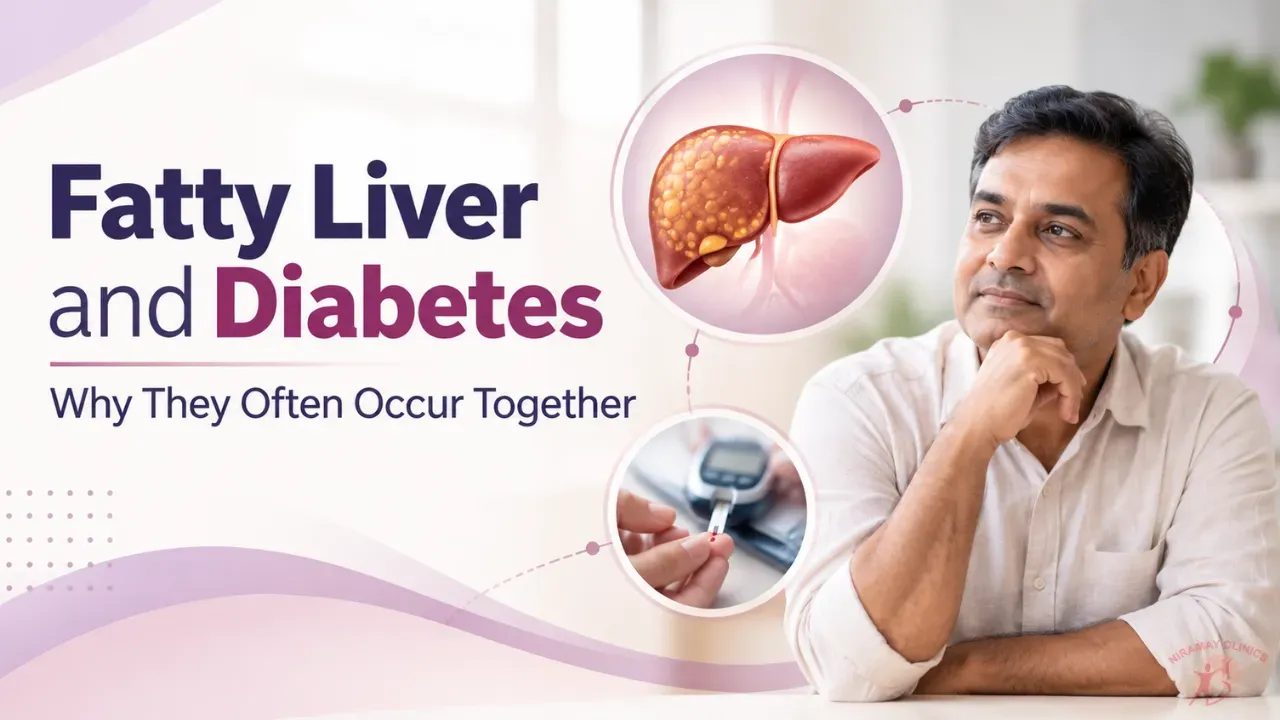
Fatty Liver and Diabetes: Why They Occur Together
Written by Dr. Ajay V. Kaduskar, Diabetologist, Nagpur

MD (Medicine), PGDHSc (Diabetology), FEACD (The Netherlands)
Published · 4 min read
Quick answer
Fatty liver, now called metabolic dysfunction-associated steatotic liver disease (MASLD), is a build-up of fat in the liver. It is very common in type 2 diabetes because both are driven by insulin resistance and excess belly fat. Left untreated, it can progress to inflammation, scarring (cirrhosis) and liver cancer. Weight loss, healthy food, activity and certain diabetes medicines can reduce it.
Many people with diabetes are told, often by chance on an ultrasound, that they have a fatty liver. It is easy to dismiss because it causes no symptoms. But fatty liver and diabetes feed each other, and ignoring it can lead to serious liver and heart problems.
What is fatty liver?
When fat makes up more than about 5 percent of the liver's weight, it is called fatty liver. Alcohol can cause it, but most fatty liver in people with diabetes is linked to metabolic causes, not alcohol. The newer term MASLD reflects this link to metabolic health. A more advanced form with inflammation is called MASH.
What are the symptoms?
Most people have no symptoms. Some feel tired or have discomfort in the upper right abdomen. Signs of advanced disease include yellow eyes, swelling of the legs or belly, easy bruising and confusion.
How is it detected?
-
Ultrasound: The most common test. It shows a bright liver but cannot show scarring.
-
Liver enzymes (SGPT/ALT, SGOT/AST): May be normal even when fatty liver exists.
-
FIB-4 score: A simple calculation using age, enzymes and platelet count that estimates the risk of scarring.
-
FibroScan (elastography): Measures liver stiffness and fat. It is useful for detecting scarring.
-
Blood tests: Cholesterol, triglycerides, HbA1c and others.
-
Liver biopsy: Rarely needed.
The 2026 diabetes guidance recommends that people with type 2 diabetes be screened for liver scarring risk, regardless of liver enzymes.
What does fatty liver lead to?
-
Liver inflammation (MASH)
-
Scarring (fibrosis) and cirrhosis
-
Liver failure and liver cancer in advanced stages
-
Increased risk of heart attack and stroke
-
Higher risk of kidney disease
In fact, heart disease is the commonest cause of death in people with fatty liver and diabetes.
How is it treated?
Lose weight
Losing 5 percent of body weight reduces liver fat. Losing 7 to 10 percent can reduce inflammation, and 10 percent or more may improve scarring.
Eat for your liver
-
Reduce sugar, sweet drinks, refined flour and fried food.
-
Eat more vegetables, pulses, fruits, nuts and whole grains.
-
Choose healthy fats such as olive, mustard or groundnut oil in moderation.
-
Limit or avoid alcohol.
Exercise
Aerobic activity and strength training both reduce liver fat, even without much weight loss. Aim for 150 minutes a week.
Medicines
Some diabetes medicines help the liver. GLP-1 medicines and pioglitazone may reduce liver fat and inflammation, and SGLT2 inhibitors may give modest benefits. Newer medicines for MASH are available in some countries. Your doctor will choose what suits you.
Control other risks
Manage blood pressure, cholesterol and sleep apnoea.
Surgery
Metabolic surgery can improve fatty liver in people with severe obesity.
When should you see a doctor?
See your doctor if your ultrasound shows fatty liver, your liver enzymes are high, you have diabetes and have never had a liver check, or you notice yellow eyes, swelling or black stools.
What to remember
-
Fatty liver is very common in type 2 diabetes.
-
Both are driven by insulin resistance and belly fat.
-
Most people have no symptoms, so screening matters.
-
Weight loss, diet, exercise and selected medicines help.
-
Untreated, it can progress to scarring and increase heart risk.
A fatty liver is a warning that can be reversed in its early stages. Acting now protects your liver, heart and kidneys. To get screened and plan treatment, consult Dr. Ajay V. Kaduskar, a diabetologist at Niramay Clinics in Nagpur.
Sources and further reading
Frequently asked questions
Insulin resistance and belly fat cause the liver to store fat. High sugar and triglycerides add to it. Fatty liver then makes diabetes harder to control.
Early fatty liver can improve or disappear with weight loss, healthy eating, exercise and good diabetes control. Scarring is harder to reverse, so early action is important.
It can be. Over time, it may lead to inflammation, scarring and cirrhosis. It also raises the risk of heart disease. Early treatment reduces these risks.
FIB-4 score and FibroScan are commonly used. Ultrasound shows fat but not scarring. Your doctor will advise the right test.
GLP-1 medicines and pioglitazone may reduce liver fat, and SGLT2 inhibitors may help modestly. The choice depends on your overall health and goals.
It is best to avoid alcohol or keep it minimal. Alcohol can worsen liver injury and affect blood sugar. Ask your doctor for personal advice.
Related reading
- Full guide: metabolic syndrome
- Diabetes and Kidney Disease: Which Tests You Need
- Diabetes and Heart Disease: The Metabolic Risk Link
- Belly Fat, Diabetes and Metabolic Health: Why Waist Matters
- What Is Insulin Resistance? Symptoms and Causes
- What Is Metabolic Syndrome? 5 Risk Factors Explained
- High Triglycerides, Diabetes and Obesity: What Is the Link?
If you would like advice suited to your own reports and medicines, you can book an appointment or visit Niramay Clinics in Dhantoli, Nagpur.
Related services


More from the Health Library
Ready to talk to a specialist?
Call 0712 2422214 or +91 84591 41584, message us on WhatsApp, or use the appointment form. Please bring your previous reports and a list of the medicines you take.