
Technology and Evolution of GLP-1
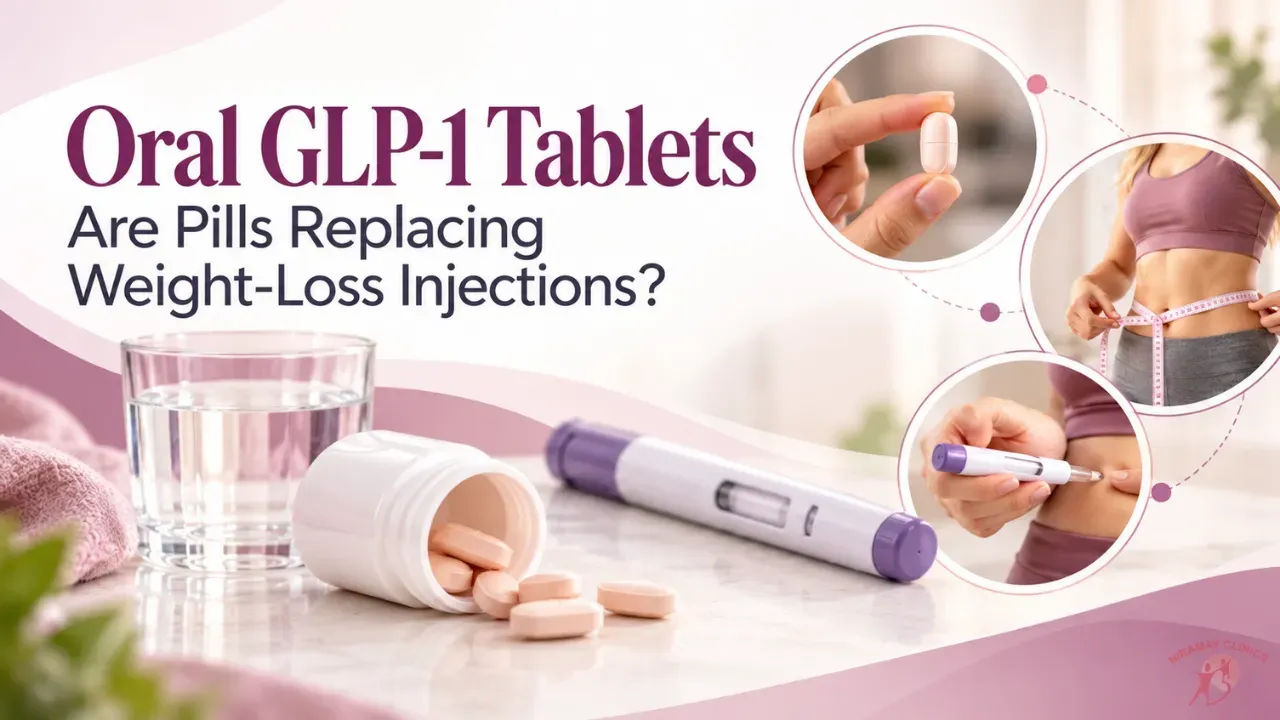
Oral GLP-1 Tablets: Are Pills Replacing Injections?
Written by Dr. Ajay V. Kaduskar, Diabetologist, Nagpur

MD (Medicine), PGDHSc (Diabetology), FEACD (The Netherlands)
Published · 4 min read
Quick answer
Oral GLP-1 tablets exist and are being developed further. The first approved tablet uses semaglutide with an absorption enhancer so that it can pass through the stomach lining. It must be taken on an empty stomach with a small amount of water. Pills may suit people who fear needles, but they are not a complete replacement yet, and injections remain common.
Many people dislike injections. When news spread that GLP-1 medicines are also available as tablets, hope grew that needles might soon be unnecessary. The truth is more nuanced. Pills are an important step forward, but they work a little differently from injections.
Why is a GLP-1 pill difficult to make?
GLP-1 medicines are peptides, which are small proteins. When swallowed, stomach acid and digestive enzymes break them down, and the gut absorbs them poorly. Scientists had to find clever ways to protect and absorb the medicine.
How does an oral semaglutide tablet work?
The tablet contains semaglutide along with an ingredient that raises the local acidity and helps absorption through the stomach wall. This lets a small portion of the medicine enter the blood. Because absorption is limited, the tablet dose is much higher than the injection dose.
What are the rules for taking it?
-
Take it first thing in the morning on an empty stomach.
-
Swallow it whole with a small sip of water, as directed on the label.
-
Wait about 30 minutes before eating, drinking or taking other medicines.
-
Take it daily at the same time.
Not following these rules reduces absorption and the effect.
How does it compare with injections?
| Feature | Tablet | Weekly injection |
|---|---|---|
| Frequency | Daily | Weekly |
| Needles | None | Yes |
| Rules for taking | Strict, empty stomach | Flexible time |
| Dose absorption | Variable | Reliable |
| Cost | Can differ | Can differ |
| Side effects | Similar stomach effects | Similar stomach effects |
Who may prefer a tablet?
-
People who are afraid of needles
-
Those starting a GLP-1 medicine for the first time who prefer a gentler beginning
-
People who can follow the fasting routine reliably
Who may prefer an injection?
-
Those who forget daily medicines
-
People who cannot wait 30 minutes after waking before eating or taking other medicines
-
Patients who need the strongest effect for weight loss
-
People who have trouble absorbing medicines
What is coming next?
Researchers are testing new oral GLP-1 medicines, including small molecules that do not need special absorption enhancers and could be taken more flexibly. Some of these are in advanced trials. Their availability, prices and approvals in India will depend on regulators and companies.
Are tablets safe?
Oral GLP-1 medicines have similar side effects to injections, such as nausea, vomiting, diarrhoea and constipation. The same precautions apply, including caution with a history of pancreatitis or certain thyroid cancers, and avoidance in pregnancy.
When should you see a doctor?
Speak to a diabetologist before starting any GLP-1 medicine, including tablets. Report severe stomach pain, persistent vomiting, or signs of an allergic reaction immediately.
In short
-
Oral GLP-1 tablets are real and available in some markets, with more in development.
-
The tablet must be taken fasting, with water, and 30 minutes before food.
-
Pills suit needle-fearful people who can follow the routine.
-
Injections still have advantages for convenience and reliability.
-
Medical supervision is needed for both forms.
Pills are widening choice, but they are not the end of injections yet. The best option is the one you can take correctly and consistently. To choose the right form, consult Dr. Ajay V. Kaduskar, a diabetologist at Niramay Clinics in Nagpur.
Sources and further reading
Frequently asked questions
Yes. Oral semaglutide is an approved GLP-1 tablet for type 2 diabetes in several countries. Availability and brands in India should be confirmed with your doctor and pharmacy.
Take it on an empty stomach in the morning with a small sip of water, swallow it whole, and wait about 30 minutes before eating, drinking or taking other medicines.
Studies show that tablets lower blood sugar and weight, but results can differ from injections, partly because absorption is variable. The best choice depends on your goals and routine.
Possibly. Many needle-fearful people prefer tablets. Talk to your doctor to check if it suits your condition and whether you can follow the dosing rules.
Not completely, at least for now. Pills will add options, and newer oral medicines may be easier to take. Injections remain widely used, especially when strong effects are needed.
They are similar to injections: nausea, vomiting, diarrhoea, constipation and stomach discomfort, mostly in the first weeks. Report severe pain or allergic symptoms right away.
Related reading
- Full guide: GLP-1 drugs
- How GLP-1 Injection Pens Work: The Technology
- The Surprising History of GLP-1 Drugs
- Dual and Triple Agonists: What Comes After Semaglutide?
- Why Did GLP-1 Medicines Become a Global Trend?
If you would like advice suited to your own reports and medicines, you can book an appointment or visit Niramay Clinics in Dhantoli, Nagpur.
Related services


More from the Health Library
Ready to talk to a specialist?
Call 0712 2422214 or +91 84591 41584, message us on WhatsApp, or use the appointment form. Please bring your previous reports and a list of the medicines you take.